What you need to know now about living in Minneapolis, MN:
- The Bottom Line: Yes, living here is highly rewarding if you prioritize elite public schools, stunning lake acreage, and an incredibly stable local economy, provided you build a highly energy-efficient home structurally insulated to handle the relentless winter climate.
- The Location Reality: While broad metropolitan data indicates a highly reasonable cost of living compared to the coasts, premium enclave markets like Wayzata, Orono, and Minnetonka demand a highly strategic budget for land acquisitions.
- The Inventory Crunch: Sourcing a turnkey, modern property in the most desirable western suburbs is an uphill battle right now, making custom builds or strategic lot teardowns the most direct path to getting the layout you actually want.
Living in Minneapolis, MN means balancing genuine affordability with four-season weather that isn’t for everyone. The median cost of living is $2,883 per month for singles and $6,349 for families of four, making it 16% higher than the national average, according to Salary.com’s 2026 data. But that number tells only half the story.
The Twin Cities metro area is home to 3.06 million people as of 2025, per MacroTrends population data. Unlike coastal metros where growth means sprawl and traffic, Minneapolis holds onto neighborhood character.
You won’t find the visible homelessness of Los Angeles or the gridlock of Seattle. You will find property taxes that surprise people and winter utility bills that spike when the temperature drops below zero for days at a time.
Read on to discover exactly how to navigate local weather timelines, neighborhood selections, and hidden building expenses before you break ground.
What Does It Actually Cost to Live in Minneapolis?
Minneapolis costs run 6.8% below the national average, according to the Council for Community and Economic Research (C2ER) March 2026 report. Housing drives that advantage.
The typical single person pays around $1,066 monthly for housing. Families of four average $1,954. Food runs $385 per month for one person, $1,253 for a family.
What the averages miss: neighborhood variation is massive. A one-bedroom apartment in North Loop costs $2,200. The same apartment in Cooper runs $1,100.
The median home price hit $316,000 in 2026. That’s the middle of the pack. You’ll spend $450,000 to $800,000 for a new custom home on a good lot in the western suburbs where TC Homes builds.
Where the Money Actually Goes
| Expense Category | Monthly Cost (Single) | Monthly Cost (Family of 4) | vs. National Average |
|---|---|---|---|
| Housing | $1,066 | $1,954 | 11.2% lower |
| Food | $385 | $1,253 | 3.7% lower |
| Transportation | $350 | $825 | On par |
| Utilities | $175 | $394 | 4% lower |
| Healthcare | $280 | $675 | 7% lower |
Source: Council for Community and Economic Research (C2ER), March 2026
The real kicker? Winter utility bills. Your January heating bill will run 40-60% higher than July. Plan for it.
Building a custom home starts with understanding your budget. See the real numbers in our Minnesota building cost guide →
How Does Minneapolis Compare to Other Cities?
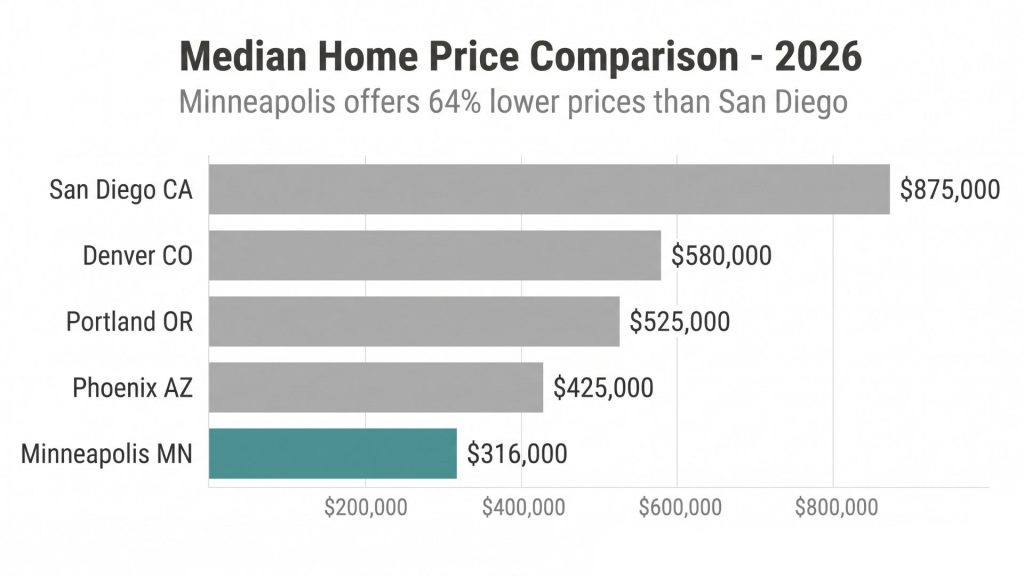
People moving from California, Portland, or Seattle see sticker shock in reverse. Median rent for all unit types sits at $1,500 per month. That’s 6% below the national average.
A 1,800-square-foot house on a quarter-acre lot costs $380,000 here. The same property runs $1.2 million in Portland. $2.4 million in parts of the Bay Area.
Traffic? The worst congestion happens at the 94/35W interchange and the 394 merge during rush hour. Thirty minutes, tops. Compare that to two hours on the 405.
Cost of Living Comparison: Minneapolis vs. Major Metros
| City | Median Rent (1BR) | Median Home Price | Monthly Cost (Single) | Difference from Minneapolis |
|---|---|---|---|---|
| Minneapolis, MN | $1,500 | $316,000 | $2,883 | Baseline |
| Portland, OR | $2,100 | $525,000 | $3,750 | +30% |
| Denver, CO | $1,950 | $580,000 | $3,600 | +25% |
| Phoenix, AZ | $1,650 | $425,000 | $3,100 | +8% |
| San Diego, CA | $2,800 | $875,000 | $4,900 | +70% |
The trade? You shovel snow. You scrape ice off your windshield in January. Your summer utility bills drop to almost nothing, then winter hits and you’re paying double.
What Are the Best Neighborhoods Around Minneapolis for Families?
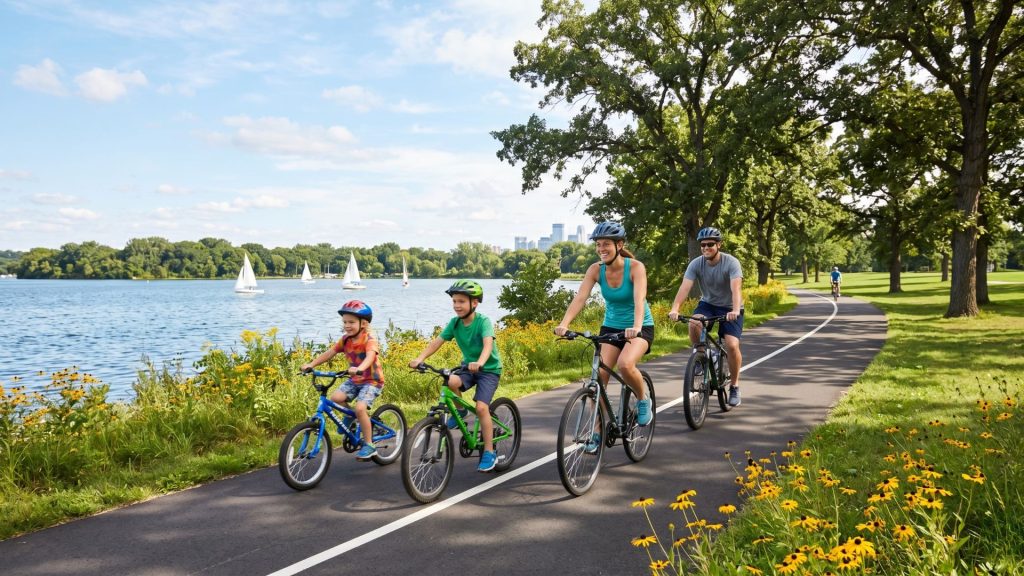
The western suburbs own the family-friendly crown. Minnetonka, Wayzata, Orono, Plymouth, Maple Grove. These aren’t just ZIP codes. They’re school districts that parents research before buying land.
Fulton in South Minneapolis features median home prices around $502,350 and ranks 90% safer than the rest of the city, according to January 2026 ExtraSpace data. Linden Hills runs about $475,450 and holds the top safety rating.
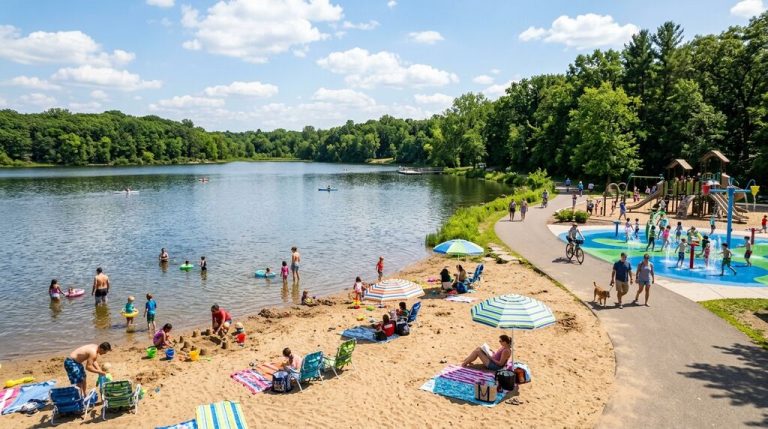
Out in the lake communities, you’re looking at custom home territory. Half-acre to two-acre lots. Modern farmhouse and transitional styles. Properties where you actually hear loons in summer.
Top Twin Cities Neighborhoods for Custom Home Buyers
- Linden Hills (Southwest Minneapolis) Small-town vibe inside city limits. Walkable. Lake access. Families pay for the location.
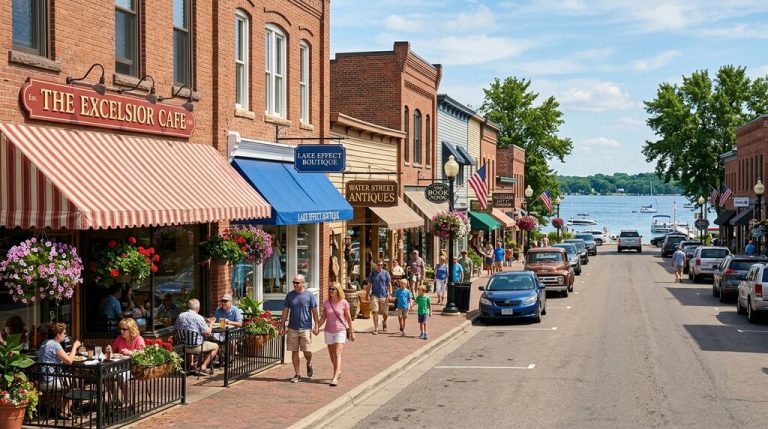
- Fulton (Southwest Minneapolis) Colonial and Craftsman homes. Lake Harriet proximity. Community events that people actually attend.
- Minnetonka (Western Suburb) Top-ranked schools. Variety of lot sizes. Twenty minutes to downtown without the urban density.
- Wayzata (Lake Minnetonka) Premium lakefront and near-lake properties. High-end custom builds. The school district parents move for.
- Orono (Lake Minnetonka) Larger lots. More privacy. Still connected to the metro via Highway 12.
Families prioritize school districts first, commute second. Wayzata ISD and Eden Prairie ISD consistently rank among Minnesota’s strongest.
Thinking about building in one of these areas? Lot availability and zoning vary wildly by neighborhood.
TC Homes builds throughout the western Twin Cities metro. See our service areas and available floor plans →
What Is the Weather Really Like?
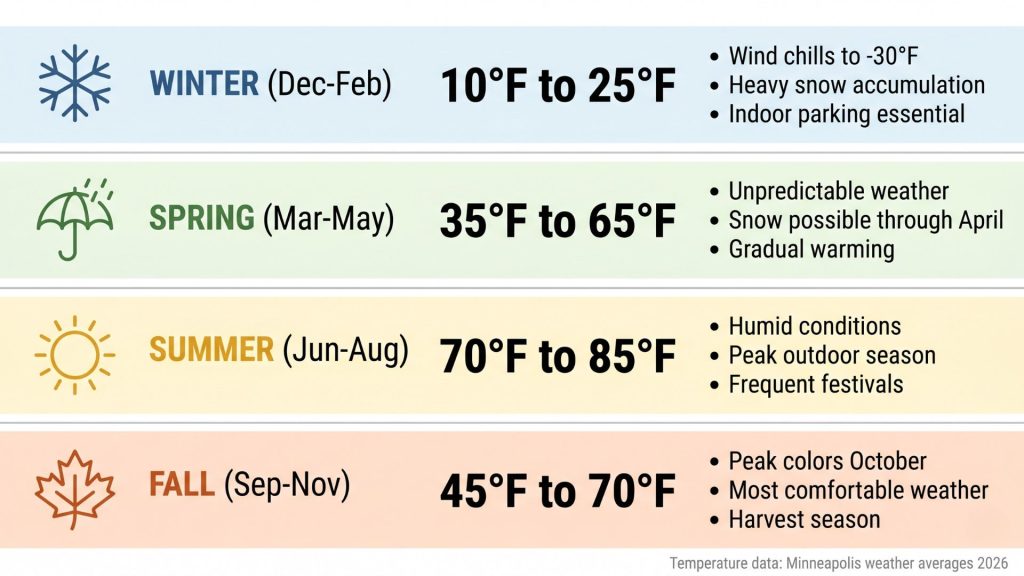
You’ve heard the jokes. “Minnesota: Where Hell Freezes Over.” The reputation isn’t exaggerated, but it’s incomplete.
Summers hit 80-90°F with humidity that makes you remember you’re near water. June through August are legitimately beautiful. Lakes everywhere. Bike trails. Outdoor concerts at Lake Harriet.
Then October arrives and you start layering.
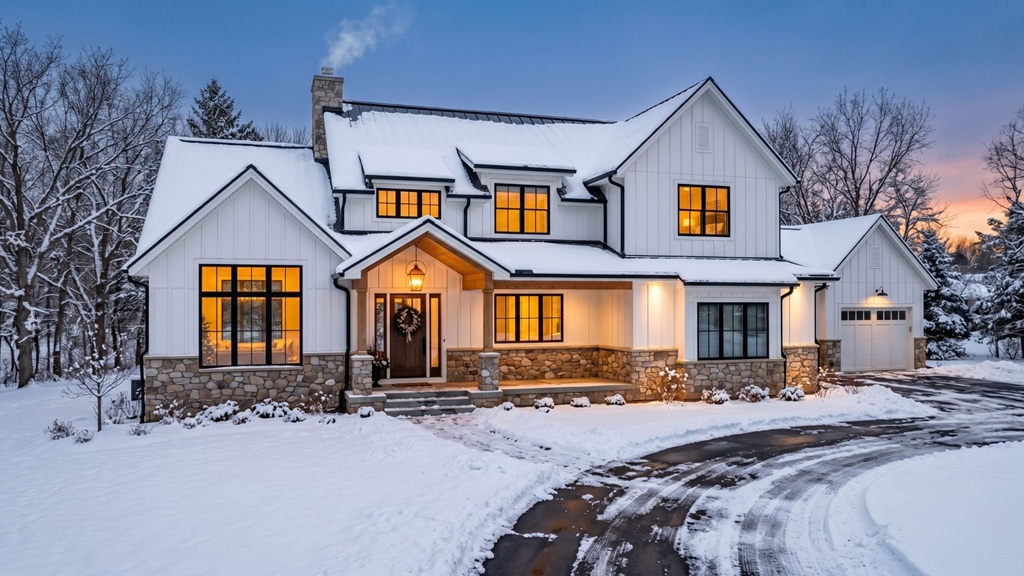
January and February test your resolve. Temperatures drop to -10°F or lower. Wind chills hit -30°F. Snow accumulates from November through March. You will own a snow blower. You will learn what “black ice” means.
Spring comes late. April still sees snow. May is unpredictable. By June, everyone forgets winter existed.
Minneapolis Weather Snapshot
| Season | Average Temp Range | What to Expect |
|---|---|---|
| Winter (Dec-Feb) | 10°F to 25°F | Heavy snow, sub-zero temps, wind chills to -30°F |
| Spring (Mar-May) | 35°F to 65°F | Unpredictable. Snow possible through April |
| Summer (Jun-Aug) | 70°F to 85°F | Humid, beautiful, everyone outside |
| Fall (Sep-Nov) | 45°F to 70°F | Peak season. Colors change, weather’s perfect |
The culture adapts. Indoor parking isn’t a luxury here. It’s survival. People embrace winter sports because sitting inside for five months will break you.
How Long Does It Take to Build a House in Minnesota?
Weather dictates timelines. You can’t pour a foundation when the ground is frozen solid. Most custom builds start in spring, frame through summer, and finish interior work in fall and winter.
Expect 8 to 12 months from permit to move-in for a custom home. Add two months if your lot needs significant site work. Add another month if you’re building on a challenging lake lot with setback requirements.
Planning your build timeline around Minnesota seasons? Our complete guide breaks down every phase →
Is Minneapolis a Good Place to Raise a Family?
Schools drive the answer. Southwest Minneapolis neighborhoods like Linden Hills, Fulton, and Armatage feed into Southwest High School, one of Minneapolis Public Schools’ strongest programs.
The western suburban school districts pull families from across the metro. Parents will commute 40 minutes to get their kids into Wayzata or Eden Prairie schools.
Beyond academics, the city runs on youth sports and activities. Hockey dominates winter. Every neighborhood has a rink. Summer means baseball, soccer, and lake time.
The parks system is legitimately excellent. Minneapolis has more park space per capita than most major metros. Chain of Lakes. Mississippi River trails. Theodore Wirth Park.
Community feels real in a way that surprises transplants. Neighbors actually snowblow each other’s driveways. Parents organize playdates. People let your dog out if you’re stuck late at work.
What’s the Job Market Like?

The median household income in Minneapolis sits at $80,846, according to 2026 World Population Review data. That’s solid, especially against the lower cost of living.
Major employers: Target, UnitedHealth Group, 3M, General Mills, U.S. Bank. Healthcare and finance dominate. Tech sector is growing but not overwhelming.
Remote work changed things. People can live in Orono or Minnetrista and work for coastal companies without the coastal housing costs.
Unemployment runs around 3.7%. Not booming, not struggling. Steady.
What Do People Miss Most About Living Here?
The outdoor culture. The genuine four seasons. The lack of pretension.
People wear Patagonia fleece and snow boots without thinking twice about fashion. You can show up to a brewery in Carhartt work pants and nobody cares. It’s the opposite of image-conscious coastal cities.
The food scene surprises people. Hmong restaurants. Ethiopian food. James Beard-nominated chefs. You’re not just eating hotdish and lutefisk anymore, despite what the stereotypes say.
Summer weekends, half your coworkers disappear “up north” to family cabins. It’s a cultural thing. Generational lake properties passed down through families. If you don’t have one, you know someone who does.
What Are the Downsides?
Winter isn’t cute. It’s relentless. January through March will test whether you actually want to live here long-term.
Driving on ice and snow becomes a skill you develop or regret not having. Cars get stuck. Accidents spike. You’ll own jumper cables and an emergency kit.
Property taxes run higher than surrounding states. Minnesota funds its school systems and infrastructure through property tax revenue. You’ll feel it.
The social culture can feel closed at first. “Minnesota Nice” means friendly on the surface, hard to crack underneath. Making real friends takes longer than in other metros.
Political tension exists but gets overblown. Yes, Minneapolis went through major changes after 2020. Yes, some businesses left downtown. But walk through Linden Hills or Minnetonka and life looks normal. Safe neighborhoods stayed safe. Good schools stayed good.
Is Living in Minneapolis MN Right for You?
If you want genuine affordability without sacrificing quality of life, Minneapolis delivers. If you need year-round warmth or can’t handle dark winter mornings, look elsewhere.
The city works for people who appreciate four seasons, outdoor culture, and neighborhoods where $500,000 still buys you something worth living in.
Building a custom home here means planning around weather. Foundation pours wait for thawed ground. Framing happens in summer. Interior finishes push through fall and winter.
Ready to explore building a custom home in the Twin Cities? Start with our free project estimator →
How to Prepare for a Move to Minneapolis
Moving to Minneapolis requires planning beyond the typical relocation checklist. The four-season climate, distinct neighborhood cultures, and timing considerations demand preparation most coastal transplants don’t anticipate.
Step 1: Visit During Winter Before Committing
Schedule a January or February visit before you decide. Experiencing -15°F wind chills and driving on packed snow tells you more than any article can. Spend at least three days during peak winter.
Walk around neighborhoods you’re considering. Sit in rush hour traffic during a snowstorm. Go grocery shopping when the temperature hits single digits. This reality check saves people from making expensive mistakes.
Step 2: Research School Districts First, Then Find Neighborhoods
Schools drive real estate decisions here more than anywhere else. Start with school district rankings, not neighborhood aesthetics. Wayzata ISD, Eden Prairie ISD, and Minnetonka ISD consistently rank highest.
Visit district websites and check recent test scores and extracurricular programs. Talk to parents already in the district. Facebook neighborhood groups give you unfiltered opinions about what daily life actually looks like.
Only after identifying your top three school districts should you start looking at specific neighborhoods and available lots.
Step 3: Calculate Your True Winter Costs
Add $200 to $400 per month to your budget for winter-specific expenses. This includes higher heating bills, snow removal equipment or services, winter car maintenance, and proper cold-weather gear for your entire family.
You’ll need remote car starters, block heaters if parking outside, winter tires or good all-seasons, and a quality snow blower unless you’re paying for service. Budget $2,000 to $3,000 for first-winter setup costs.
Step 4: Secure Housing Before You Arrive
The rental and home-buying markets move fast in desirable areas. Don’t plan to “look around” after you arrive. Tour virtually if needed, but have housing secured before your moving truck leaves.
Linden Hills, Fulton, and the lake communities see properties go under contract within days during peak season. Working with a local realtor who knows western suburbs is essential.
Step 5: Time Your Move Around Weather
May through September offers the easiest transition. You’ll experience good weather first and have months to prepare mentally for winter. Moving in January means dealing with relocation stress while learning to survive sub-zero temperatures.
If you’re building a custom home, start the process in late winter so you can break ground in spring. This puts you on track for a fall or winter move-in, giving you time to settle before facing your first full Minnesota winter.
Step 6: Build Your Winter Survival Kit
Before October arrives, assemble these essentials. Keep them in your car year-round:
Jumper cables and portable battery pack. Blanket and extra winter coat. Ice scraper with snow brush. Small shovel. Bag of sand or kitty litter for traction. Flashlight with extra batteries. Non-perishable snacks and water.
First-aid kit. Phone charger. Duct tape and basic tools.
At home, stock rock salt, roof rake for heavy snow, generator or backup power plan, and extra cold-weather gear for every family member.
Step 7: Connect Before You Arrive
Join neighborhood Facebook groups and local parent groups before you move. Ask questions. Introduce yourself. People are helpful when you’re transparent about being new.
Minneapolitans appreciate directness. “We’re moving to Minnetonka in June with two kids, which elementary school feeds into the best middle school?” gets better responses than generic questions.
Line up pediatricians, dentists, and primary care doctors early. Good providers book months out in popular suburbs.
Step 8: Plan Your Lot Purchase Timeline
If you’re building custom, understand that lot inventory fluctuates seasonally. Spring and early summer see the most activity. Desirable lots in Wayzata, Orono, and Minnetonka go fast.
Get pre-approved for construction financing before you start looking at land. This positions you to move quickly when the right lot appears. Work with builders like TC Homes who know which lots have good soil conditions and favorable zoning.
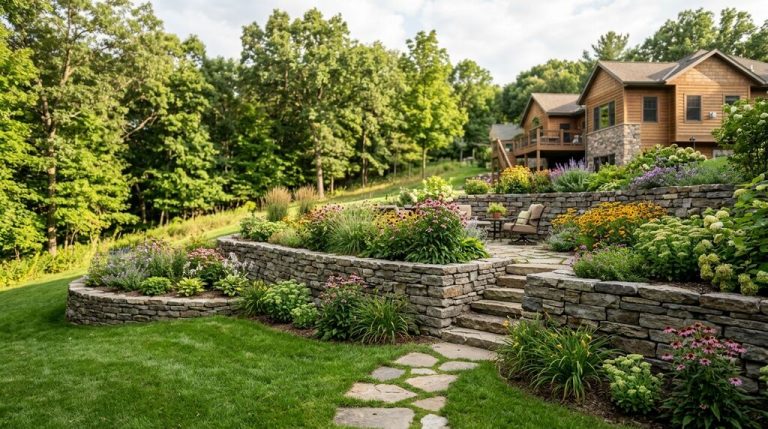
Factor in site work costs. Lake lots and properties with significant elevation changes require more investment upfront. Budget 10-15% more for site preparation than you would in flatter markets.
Should You Build or Buy in Minneapolis?
Inventory sits low in desirable neighborhoods. The homes available are either dated 1970s splits that need full renovations or new builds priced at premium.
Custom building lets you skip the renovation and get exactly what you want. Modern layouts. Energy-efficient systems. Spaces designed for how you actually live.
The math shifts depending on your lot. If you already own land or can buy at a reasonable price, building often beats buying existing and remodeling.
Building vs. buying comes down to your specific situation and budget. Compare the real costs and timelines →
Frequently Asked Questions
What salary do you need to live comfortably in Minneapolis?
For a single person, $55,000 per year provides a comfortable living standard. Families of four need around $100,000 to cover expenses with a buffer for savings. These figures assume moderate housing costs and typical lifestyle expenses.
Is Minneapolis cheaper than other major cities?
Yes. Minneapolis costs run 6.8% below the national average, per C2ER data. Housing drives most of the savings. You’ll pay 18% less for housing compared to the U.S. average. Healthcare, utilities, and goods cost slightly less as well.
What are the safest neighborhoods in Minneapolis?
Linden Hills, Fulton, and Hale rank as the safest neighborhoods within city limits. In the western suburbs, Minnetonka, Wayzata, and Orono maintain strong safety ratings and low crime rates. These areas also feature top school districts.
What’s the cultural vibe like?
Egalitarian without pretension. People value outdoor activities, community events, and genuine connection over status symbols. “Minnesota Nice” is real but can feel surface-level to newcomers. Making close friends takes longer than in other metros.
What is the Lake Minnetonka Conservation District (LMCD) and how does it impact custom shoreline builds?
The LMCD regulates everything on and directly adjacent to the shores of Lake Minnetonka, including dock licenses, shoreline stabilization, and strict setback requirements for any permanent structures. If you are planning a custom lakefront estate, your architectural design must account for these rigid environmental guidelines alongside standard city zoning laws, which can add a few extra months to your pre-construction permitting timeline.
What are the rules regarding tearing down an existing older home to build new in neighborhoods like Edina or Southwest Minneapolis?
Infill building is highly popular across the Twin Cities metro, but individual municipalities enforce incredibly strict tree preservation ordinances, rigorous storm-water management plans, and specific height restrictions to preserve old-neighborhood character. You must factor separate demolition costs, utility disconnect fees, and local neighborhood board approvals into your master budget before purchasing an older property purely for its lot value.
Your Twin Cities Custom Home Starts Here
Living in Minneapolis means trading coastal prices for genuine value. You get four real seasons, excellent schools, strong neighborhoods, and the space to build something worth living in.
The western suburbs where TC Homes builds offer the best combination: lake access, top school districts, and lot availability for custom homes. Modern farmhouse and transitional styles fit the landscape. Half-acre to two-acre lots give you room to breathe.
If you’re relocating or ready to build, the market favors buyers who move decisively. Good lots don’t last.
Ready to start your custom home journey? Contact TC Homes today →